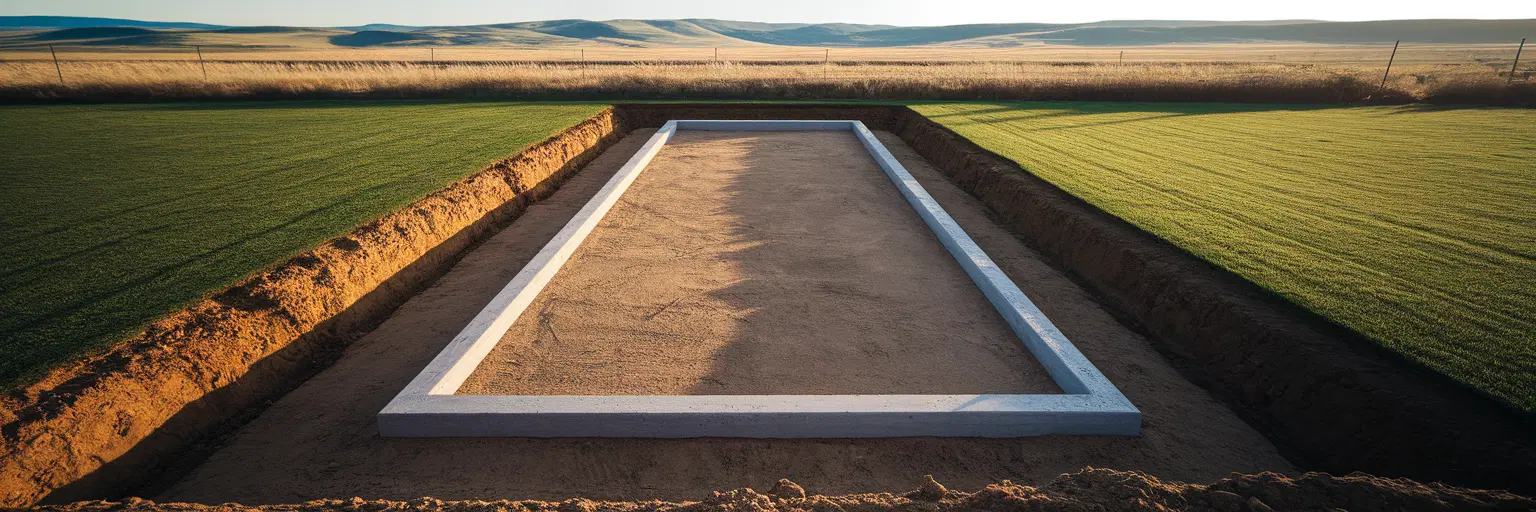
The long-term success of any home improvement project, from a simple patio to a new foundation, is determined long before the first concrete is poured. The integrity of the structure rests entirely on the quality of its groundwork. For homeowners in Hardin, MT, this is especially true when planning projects like installing new stamped concrete driveways or patios that enhance curb appeal. Even what seems like a small-scale dig carries significant risks and legal duties.
It’s easy to view safety regulations as an obstacle, but they are the essential first step. Proper excavation safety in Hardin, MT, ensures your project’s durability, particularly when facing Montana’s challenging freeze-thaw cycles. This guide provides clear, actionable steps for managing your excavation project safely and in compliance with local and state rules, giving you confidence from the ground up.
The First Call You Must Make Before Breaking Ground
Before a single shovel hits the dirt, there is one non-negotiable step every Montana homeowner must take. The call before you dig Montana mandate is not a suggestion; it is a legal requirement under Montana Code Annotated 69-4-5. Striking an underground utility line can lead to costly repairs, neighborhood-wide service outages, or even serious injury. Fortunately, preventing this is straightforward and completely free.
The Montana 811 law requires you to follow these simple steps:
- Dial 811 or 1-800-424-5555 at least three full business days before your planned dig. This free service, managed by Montana 811, is the first step in any excavation project.
- Provide the operator with your address and a clear description of where you plan to excavate on your property.
- Wait for utility locators to visit your property. They will mark the approximate location of underground lines with colored paint or flags.
These colors are a universal language: red marks electric lines, yellow indicates gas or oil, blue is for water, and orange signifies communication lines. Ignoring this process puts you at risk for severe legal fines and the full financial responsibility for any damage. It’s a simple call that protects you, your property, and your community.
Understanding the Four Main Excavation Hazards
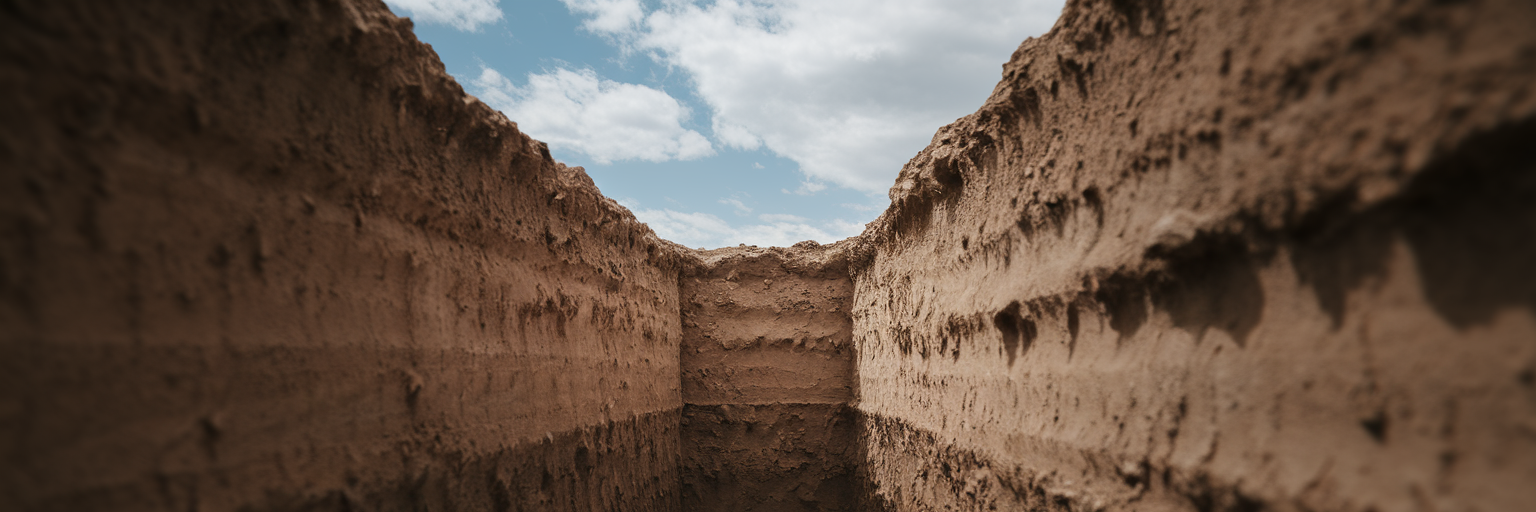
Once you have clearance from Montana 811, the next step is understanding the physical risks involved. OSHA identifies four primary hazards in any excavation, and knowing them is key to effective trench safety for homeowners. The most dangerous of these is a cave-in. According to the Bureau of Labor Statistics, trench collapses were responsible for 137 fatalities in private construction between 2011 and 2018. A single cubic yard of soil can weigh as much as a car, making even a small collapse deadly.
Utility strikes are the second major hazard. While the 811 service marks public utilities, it does not locate private lines. Do you have a sprinkler system, a septic tank, or power running to a detached garage? Locating these is your responsibility, and you may need to hire a private locator. The other two risks, hazardous atmospheres and struck-by incidents, are also serious. Trenches deeper than four feet can accumulate toxic gases or have low oxygen levels. Struck-by incidents occur when tools, equipment, or excavated soil fall into the trench. Understanding these risks is part of the comprehensive planning that goes into all our construction services.
| Hazard | Primary Risk | Homeowner Prevention Tip |
|---|---|---|
| Cave-Ins | Soil collapse leading to burial and asphyxiation. The leading cause of excavation-related fatalities. | Never enter a trench over 5 feet deep unless it has a proper protective system (shoring, shielding, or sloping). |
| Utility Strikes | Damage to gas, electric, water, or communication lines, causing outages, fires, or electrocution. | Always call 811 before digging. Consider hiring a private locator for non-public lines (e.g., sprinklers). |
| Hazardous Atmospheres | Low oxygen or buildup of toxic gases in trenches deeper than 4 feet, leading to asphyxiation or poisoning. | Assume deep trenches are hazardous. This is a risk best managed by professionals with air monitoring equipment. |
| Struck-By Incidents | Injury from falling tools, materials from the spoil pile, or contact with moving equipment. | Keep all tools, soil (spoil piles), and materials at least 2 feet from the trench edge. Wear a hard hat. |
Trench Protection Rules for Deeper Digs
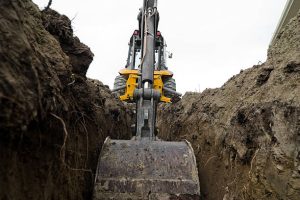
Recognizing the hazards is one thing; actively preventing them is another. For deeper excavations, the law is very specific. Any trench measuring five feet deep or more legally requires a protective system. This is not a judgment call but a firm rule designed to prevent cave-ins. As outlined in safety guidelines from sources like Montana’s Local Technical Assistance Program (LTAP), homeowners and contractors must use one of three primary systems:
- Shoring: This involves installing supports, like hydraulic jacks and plates, that brace the trench walls and prevent them from collapsing inward.
- Shielding: This method uses a “trench box,” a heavy-duty structure that workers can stand inside, protecting them from a potential collapse rather than preventing it.
- Sloping: This involves cutting the trench walls back at a specific, safe angle so the soil is less likely to slide.
The rules become even stricter for very deep projects. Any excavation reaching 20 feet or more must have a protective system designed by a registered professional engineer. A simple but critical practice for any depth is to keep excavated soil, known as spoil piles, and heavy equipment at least two feet from the trench edge to reduce pressure on the walls.
Ensuring Safe Entry, Exit, and Daily Inspections

A safe excavation site is one where procedures are followed consistently. OSHA requires a safe way to get in and out of any trench that is four feet deep or more. This means a ladder, ramp, or steps must be readily available. The rule is specific: a worker should never have to travel more than 25 feet laterally within the trench to reach an exit. This simple requirement prevents scrambling and ensures a quick escape route if conditions change.
Furthermore, every site must be overseen by a designated “competent person.” This is not just someone with experience; it is a formal role for an individual trained to identify existing and predictable hazards. Crucially, this person has the authority to stop work immediately and implement corrective measures. This competent person must inspect the trench daily before work begins, after any weather event like a heavy rainstorm, and anytime conditions change. This constant vigilance is what separates a safe project from a dangerous one. Our team’s commitment to safety is a core part of who we are, ensuring every site is managed by experienced professionals.
Personal Protective Gear and Local Hardin Permits
While engineered controls and proper procedures are the primary defense, personal protective equipment (PPE) provides the final layer of safety. Anyone working in or near an excavation should be equipped with the right gear. It serves as a crucial barrier against unexpected incidents.
- Hard hats are essential to protect from falling objects or debris from the spoil pile.
- Steel-toed boots prevent serious foot injuries from dropped tools or materials.
- Work gloves offer protection from sharp objects and abrasive materials.
- High-visibility clothing, like a bright vest or shirt, ensures workers are easily seen by equipment operators.
Remember, PPE is the last line of defense, not a substitute for a safe trench system. Beyond personal gear, you must also consider local regulations. In addition to state laws, homeowners should always contact the Hardin City Hall Building Department before starting a project. Permits are often required for work that affects a public right-of-way, such as a new driveway apron, alters property drainage, or involves significant earthmoving. If you have questions about local permits or project requirements, feel free to contact us for guidance.
Knowing When to Hire a Professional Excavator
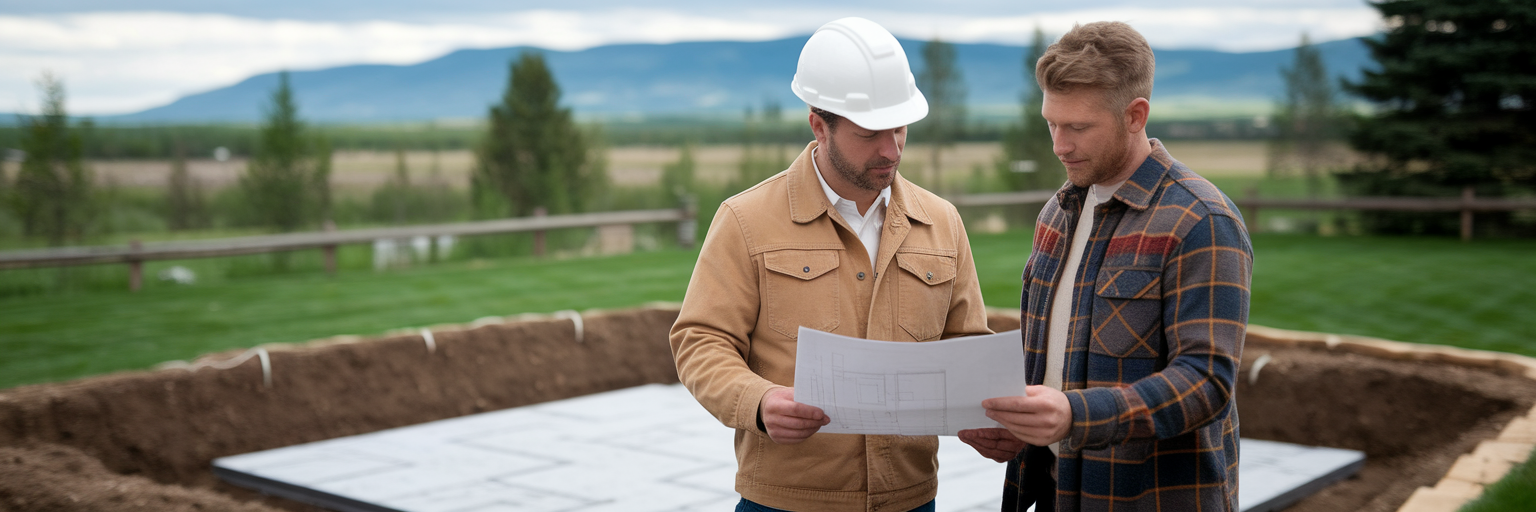
Navigating these regulations can feel complex for a homeowner. Hiring a professional is an investment in safety, compliance, and peace of mind. An experienced contractor manages the entire process, from making the 811 request to conducting daily inspections with a competent person. They bring the right equipment and, just as importantly, a deep understanding of Montana’s unique soil and climate conditions.
When a project requires deep digging or navigating complex rules, the residential excavation services Hardin residents trust can make all the difference. Engaging a professional for your excavation safety in Hardin, MT, not only ensures your project is built on a solid foundation but also significantly reduces your liability. When the job demands expertise, our professional excavation services ensure it is done right from the start.