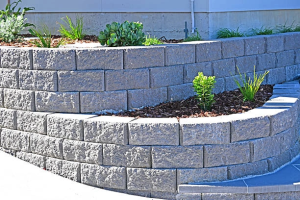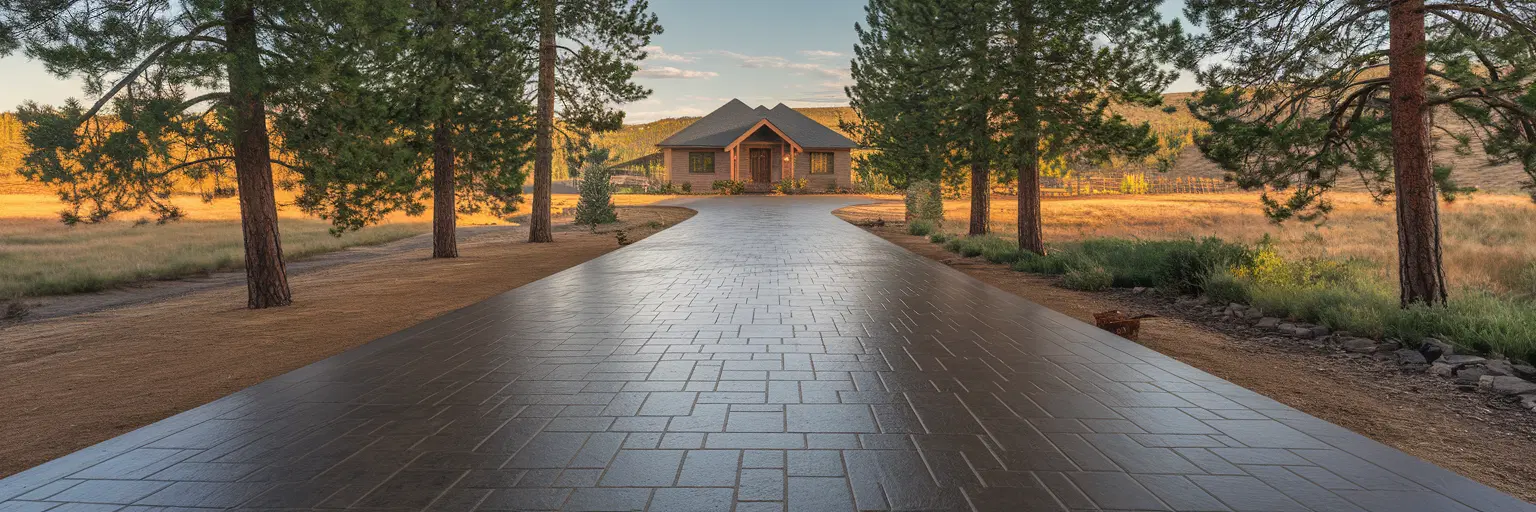
It’s a familiar story for many Forsyth homeowners: you invest in a new driveway, and within a few years, it’s already showing signs of failure. This isn’t bad luck. It’s a direct consequence of Montana’s demanding climate. The real culprit is the relentless freeze-thaw cycle. During fall and winter, moisture seeps into the ground beneath your driveway. When temperatures drop, that water freezes and expands, heaving the ground upward with immense force. Come spring, the ice thaws, and the soil contracts, leaving behind a weakened and unstable base.
This process creates a foundation that is anything but solid. To make matters worse, heavy spring rains and seasonal runoff wash away the fine materials from under the driveway slab. This erosion creates soft spots and voids, leaving the surface unsupported. Before long, you start to see the telltale symptoms: a web of alligator cracks, stubborn potholes, and sections of the driveway that have visibly sunk. A standard installation simply cannot withstand these forces, making a specialized approach necessary for a freeze thaw resistant driveway that endures.
Why Surface-Level Fixes and Shortcuts Fail
When cracks and potholes appear, the temptation to seek a quick, inexpensive fix is understandable. Many homeowners turn to crack fillers or thin asphalt overlays, hoping to patch the problem and move on. However, these solutions are purely cosmetic. They do nothing to address the unstable, water-saturated ground that caused the damage in the first place. You are essentially just paving over the problem. A new layer of material placed on a compromised base will quickly develop the same flaws, with cracks often reappearing within a single season.
Thinking about the long-term financial picture is essential here. The cycle of patching a failing driveway every year or two quickly adds up. In many cases, the cumulative cost of these temporary repairs eventually exceeds the one-time investment of a proper, professional installation. We see a growing number of homeowners who, after years of shortcuts, are now facing a full and costly replacement. The most effective way for how to prevent driveway cracking for good is to abandon the patch-and-pray approach and commit to building it right from the ground up.
The Foundation of Durability: Professional Excavation
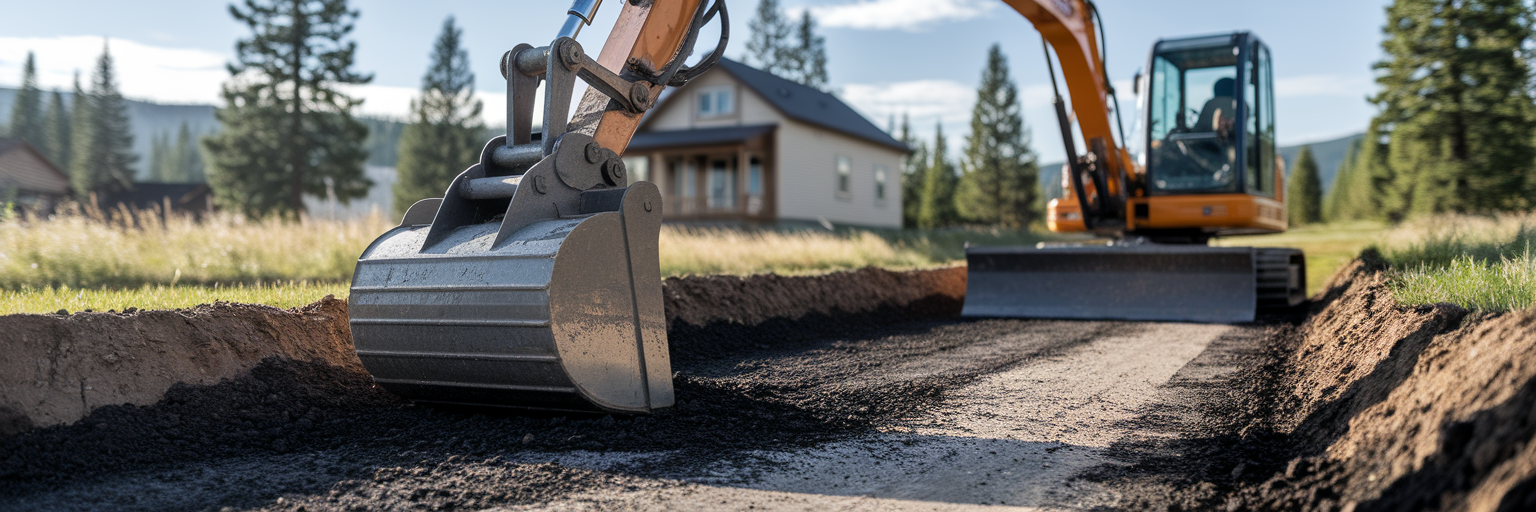
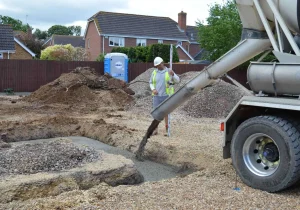
The single most important step toward a lasting driveway in Montana is professional excavation. This isn’t just about digging a hole; it’s a precise engineering process that creates the stable platform your driveway needs to survive. It directly counteracts the destructive forces of our climate. A quality excavation job involves several critical stages that ensure a solid base.
A professional contractor will methodically:
- Remove Unstable Topsoil: The dark, organic-rich topsoil common in our area acts like a sponge, holding moisture and making it highly susceptible to frost heave. This layer must be completely removed down to the stable, mineral-rich sub-grade beneath.
- Establish Precise Grading: The excavated area is then carefully graded. The goal isn’t to make it perfectly flat but to create a gentle, consistent slope that actively directs water away from the driveway and your home’s foundation, preventing pooling and erosion.
- Ensure Thorough Compaction: Finally, heavy machinery is used to compact the sub-grade. This creates a dense, unyielding platform that resists shifting or settling under the weight of vehicles or the immense pressure of freezing ground.
These steps require technical expertise and specialized equipment. For homeowners considering residential excavation for driveways, understanding this process is key to hiring the right team. Proper site work is the bedrock of a durable installation, and you can explore the technical details of what our professional Forsyth MT excavation services entail to see the difference it makes.
Building a Resilient Sub-Base for Montana’s Climate
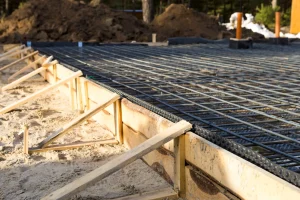
With the sub-grade properly excavated and compacted, the next step is constructing the sub-base. This is an engineered layer of material that sits between the compacted earth and your final driveway surface. It serves two critical functions: it distributes the weight of traffic evenly across the sub-grade and, most importantly, it provides a vital drainage layer. This is your driveway’s primary defense against the freeze-thaw cycle.
In a cold climate, the ideal material for a sub-base is a compacted aggregate of crushed stone and gravel. These angular materials lock together to form an incredibly strong and stable layer. At the same time, the small voids between the stones create channels that allow water to drain through and away, preventing it from getting trapped, freezing, and heaving the surface. Modern technology like GPS-guided equipment allows for precision digging, ensuring this sub-base is installed at a consistent depth and grade across the entire area.
Skipping or skimping on the sub-base is a guarantee of future failure. Just as a house needs a solid footing, a driveway needs a resilient base. This layer is as fundamental to your driveway’s longevity as the concrete foundations are to your home.
Choosing the Right Surface for Your Prepared Foundation
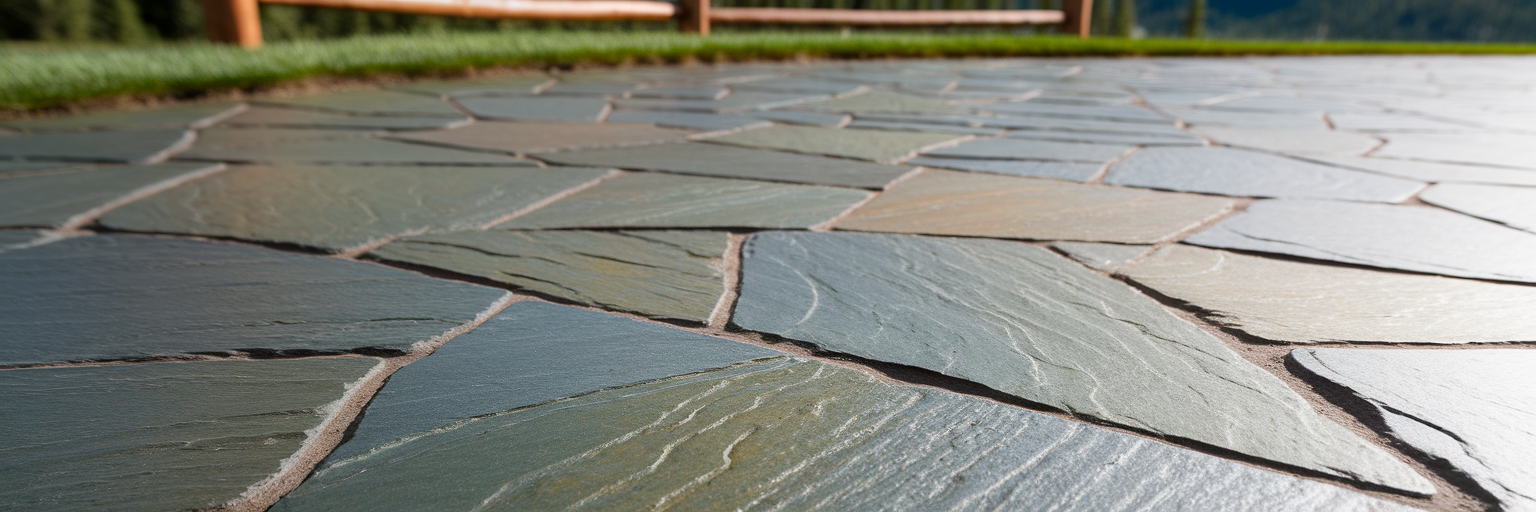
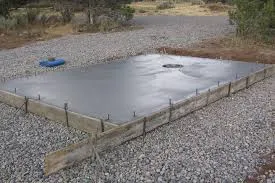
Once you have a professionally prepared foundation, your investment in a high-quality surface is protected. With a solid base beneath it, the surface material can perform as intended for decades. For the most durable driveway solutions Montana homeowners can choose, concrete is the premier option. Its inherent rigidity and strength allow it to distribute heavy loads exceptionally well, making it highly resistant to the pressures of our climate when properly supported.
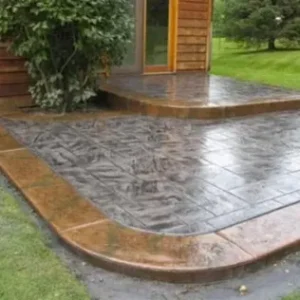
Beyond its structural integrity, concrete offers unmatched aesthetic versatility. A professional concrete driveway installation Forsyth can dramatically enhance your property’s curb appeal. For instance, decorative stamped concrete can be designed to beautifully mimic the look of natural slate, flagstone, or even classic brick, giving you a custom look with superior durability. With a wide range of finishes and designs, concrete provides both performance and style. To see the full scope of what’s possible, you can review the variety of our concrete services.
Driveway Surface Comparison for Montana Homes
| Factor | Concrete | Asphalt | Gravel |
|---|---|---|---|
| Durability | Excellent (30+ years) | Good (15-20 years) | Fair (Requires constant upkeep) |
| Freeze-Thaw Resistance | Very High (with proper base) | Moderate (Prone to cracking) | Low (Prone to washouts) |
| Maintenance | Low (reseal every 3-5 years) | Moderate (reseal every 2-3 years) | High (regular grading and refilling) |
| Aesthetic Options | High (stamped, colored, polished) | Low (standard black) | Low (rustic, functional) |
| Long-Term Value | Excellent | Good | Poor |
Note: Lifespan and performance estimates assume proper installation, including professional excavation and sub-base preparation, which is critical in Montana’s climate.
Finding a Qualified Driveway Contractor in the Forsyth Area
While many companies offer paving services, protecting your investment requires finding a contractor who truly understands what it takes to build a driveway in Montana. Diligence in the hiring process is your best defense against a costly mistake. When vetting potential contractors, don’t hesitate to ask specific, probing questions.
Here are a few to get you started:
- Can you explain your excavation and sub-base preparation process in detail?
- What specific materials do you use for the sub-base and why are they suited for our climate?
- Can you provide addresses of driveways you’ve installed in the Forsyth area that have lasted over five years?
As Procore reports, there are hundreds of qualified earthwork contractors in Montana, so you can afford to be selective. Prioritize a contractor with proven, local experience who can speak confidently about the soil and climate challenges unique to our region. Finally, always verify that your chosen contractor is fully licensed, bonded, and insured. This is more than a formality; it’s a critical protection for you and a clear sign of a professional who stands behind their work. When you’re ready to discuss your project, we encourage you to reach out to a trusted expert.