Montana’s intense freeze-thaw cycles are not just a weather forecast, they are a constant force testing the limits of every structure. In Huntley, a retaining wall does more than hold back soil. It battles significant hydrostatic pressure and soil movement that harsh winters and spring thaws make worse. A failing wall, with its cracks and bulges, does more than just look bad. It can signal neglect to customers and quietly chip away at your property’s perceived value.
This is why choosing a retaining wall is not a minor landscaping decision. It is a critical investment in your property’s long-term stability and professional image. The right structure must serve a dual purpose. It needs robust engineering to survive the climate and an enhanced architectural design to reflect the quality of your business. Our expertise in building commercial retaining walls in Huntley, MT, is founded on this understanding, ensuring every project delivers both strength and style.
Why Huntley’s Climate Demands Superior Retaining Walls
Montana’s intense freeze-thaw cycles are not just a weather forecast, they are a constant force testing the limits of every structure. In Huntley, a retaining wall does more than hold back soil. It battles significant hydrostatic pressure and soil movement that harsh winters and spring thaws make worse. A failing wall, with its cracks and bulges, does more than just look bad. It can signal neglect to customers and quietly chip away at your property’s perceived value.
This is why choosing a retaining wall is not a minor landscaping decision. It is a critical investment in your property’s long-term stability and professional image. The right structure must serve a dual purpose. It needs robust engineering to survive the climate and an enhanced architectural design to reflect the quality of your business. Our expertise in building commercial retaining walls in Huntley, MT, is founded on this understanding, ensuring every project delivers both strength and style.
Exploring Material Options for Durability and Style
With Huntley’s demanding climate in mind, material selection becomes a balance of strength, aesthetics, and practicality. The choice is less about which material is “best” and more about which is right for your specific site and goals. Let’s compare the leading options.
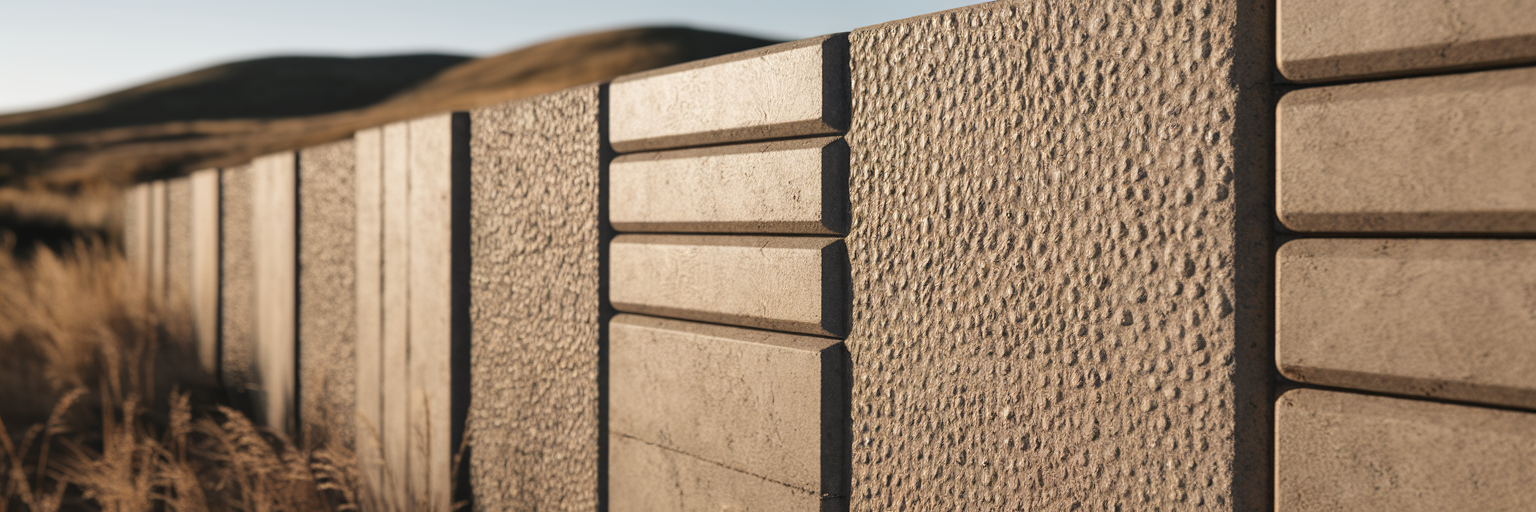
Segmental concrete blocks are a popular choice for good reason. Their interlocking design creates a flexible yet strong system that performs exceptionally well during freeze-thaw cycles, meeting rigorous ASTM C1372 standards. They are ideal for creating everything from simple, straight walls to complex curves, offering a wide range of colors and textures.
For larger commercial sites, precast concrete panels offer unmatched strength and efficiency. Because they are manufactured in a controlled factory environment, their quality is incredibly consistent. This makes them a go-to for tall walls or projects where installation speed is a priority. They can also be produced with various architectural finishes to suit your property’s look.
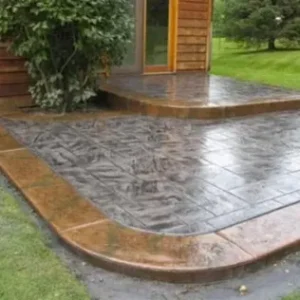
Poured-in-place concrete provides immense monolithic strength and the ultimate design freedom. This material allows for completely custom shapes and integrated structures. It can be finished in countless ways, from a simple broom finish to an intricate decorative concrete retaining wall that mimics stone or brick. Finally, while natural stone or brick masonry offers a timeless, high-end appearance, it requires specialized engineering and skilled labor to ensure it can withstand Montana’s weather without failing.
| Material Type | Key Benefits | Best For | Aesthetic Flexibility |
|---|---|---|---|
| Segmental Concrete Blocks | Freeze-thaw durable, flexible design, rapid installation | Small to large walls, curved designs, cost-effective projects | Variety of colors, textures, and sizes |
| Precast Concrete Panels | Maximum strength, consistent quality, large-scale efficiency | Large commercial sites, tall walls, projects requiring speed | Can be manufactured with various architectural finishes and textures |
| Poured-in-Place Concrete | High monolithic strength, fully customizable | Projects requiring unique shapes or integrated structures | Can be stamped, stained, or finished with custom patterns |
| Natural Stone/Brick Masonry | Classic, high-end appearance, timeless appeal | Properties aiming for a traditional or premium aesthetic | Unique character with natural variations, but requires skilled labor |
Note: Material selection should always be guided by a site-specific engineering assessment to ensure it meets the structural demands of the property and local building codes.
Essential Design Principles for a Long-Lasting Wall
A durable retaining wall is more than just a stack of heavy materials. It is an engineered system designed to manage immense natural forces. Understanding the core principles behind a successful wall helps you appreciate why professional design and installation are so important.
- Proper Drainage: Water is the number one enemy of a retaining wall. The pressure it exerts, known as hydrostatic pressure, can cause a wall to bow or even collapse. During winter, trapped water freezes and expands, a process called frost heave that can shift the entire structure. The solution is to give water an escape route with clean crushed stone for backfill, weep holes through the wall face, and drainage pipes that channel water safely away. As industry resources from Allan Block highlight, proper backfill and compaction are critical for managing this pressure effectively.
- Solid Foundation: A retaining wall is only as strong as its base. The foundation must be built on stable, undisturbed soil, which means excavating below the local frost line. A compacted gravel base creates a solid platform that prevents the wall from shifting or settling over time. This is a fundamental principle we apply to all our structural foundations, ensuring stability from the ground up.
- Geogrid Reinforcement: Think of geogrid as rebar for the soil. This high-strength synthetic mesh is laid in layers extending from the wall back into the soil. It locks the soil and backfill together into a single, reinforced mass, dramatically reducing the pressure on the wall itself. This is a core component of any modern engineered retaining wall design.
- Wall Batter: A properly constructed wall should lean slightly back into the earth it is holding. A common guideline is to step the wall back one inch for every three inches of height. This subtle angle uses gravity to its advantage, increasing the wall’s stability against the forward push of the soil.
These principles are not optional suggestions. For a retaining wall to last in Montana, they are non-negotiable requirements.
Budgeting for Your Commercial Retaining Wall Project
Understanding the potential costs is a key step in planning your project. Nationally, professionally installed retaining walls can range from $20 to $65 per square foot. For a hypothetical 50-foot-long, 4-foot-high commercial wall, this could translate to a project cost between $4,000 and $13,000. However, the final concrete retaining wall cost in Montana depends on several specific variables.
Key factors that influence the budget include:
- Wall dimensions: Height and length are the primary cost drivers.
- Material choice: Segmental blocks are often more budget-friendly than custom-poured or precast options.
- Site accessibility: Difficult-to-reach sites may require special equipment, increasing labor costs.
- Site preparation: The amount of excavation and soil removal needed will affect the price.
- Design complexity: A wall requiring extensive drainage systems and geogrid reinforcement will cost more than a simple garden wall.
It can be tempting to choose a contractor based on the lowest bid, but this is often a mistake. A low price may reflect subpar materials, rushed installation, or a lack of proper engineering. Paying for quality design and skilled workmanship upfront is a strategy to prevent the far greater expenses of future repairs, property damage, and potential liability from a failed wall. To understand the specific factors for your property, exploring our comprehensive services is the first step toward a detailed estimate. According to a 2024 report from AJM Grounds, average project costs can vary widely based on these very factors.
Selecting a Qualified Contractor in the Huntley Area
When it comes to building commercial retaining walls in Huntley, MT, local experience is paramount. A contractor familiar with the region will have firsthand knowledge of the area’s unique soil types, permitting requirements, and the specific construction techniques needed to combat our climate. They understand that a one-size-fits-all approach simply does not work here.
Look for retaining wall contractors in Huntley who begin with a thorough site assessment and propose a custom solution tailored to your property. This demonstrates a professional commitment to getting the job done right. Ask to see a portfolio of their work and check for examples of durable, well-designed projects that have stood the test of time.
With over 20 years of experience, we have built our reputation on reliable workmanship and clear communication. We specialize in creating lasting concrete solutions that enhance property value for our commercial clients. If you are looking for an experienced and reliable contractor to bring your project to life, we invite you to contact us for a consultation.