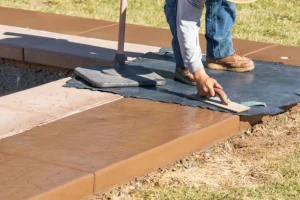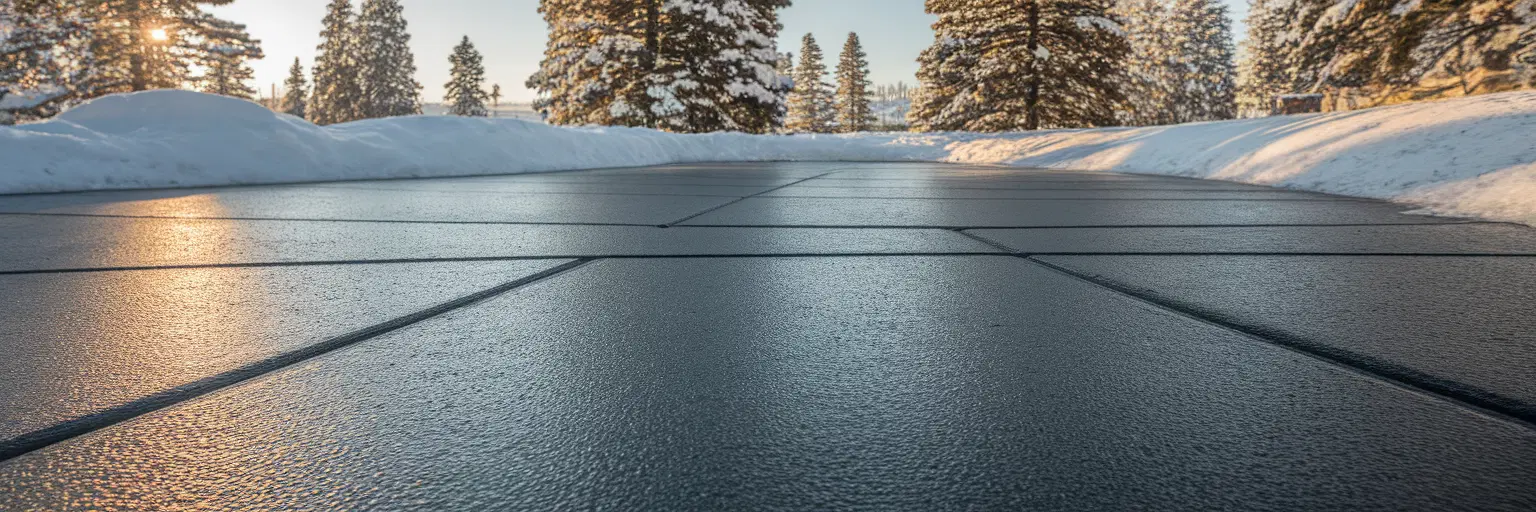
In places like Roundup, the ground tells a story every spring. The relentless freeze-thaw cycle that defines a Montana winter exerts incredible force on everything it touches, especially concrete. The process is simple but destructive: moisture from rain and snowmelt seeps into the tiny pores of the concrete. When temperatures drop, that water freezes and expands by about 9%, creating immense internal pressure. Over a single winter, this repeated expansion and contraction leads to concrete freeze thaw damage.
When we talk about “flatwork,” we are referring to the large, flat surfaces of concrete that are fundamental to any property. These are the areas that bear the brunt of both daily use and harsh weather. You see them everywhere:
- Driveways
- Garage floors
- Sidewalks and walkways
- Patios and outdoor living spaces
Take a walk around your property. Do you see the telltale signs of failing concrete? Look for surface pitting, which appears as small, shallow holes. You might also notice scaling, where the top layer flakes away like peeling skin, or spalling, where larger chunks break off entirely. While a few hairline cracks can be normal, deep, web-like cracks often signal that the concrete has lost its structural integrity and is failing from the inside out.
The Science Behind Weather-Resistant Concrete
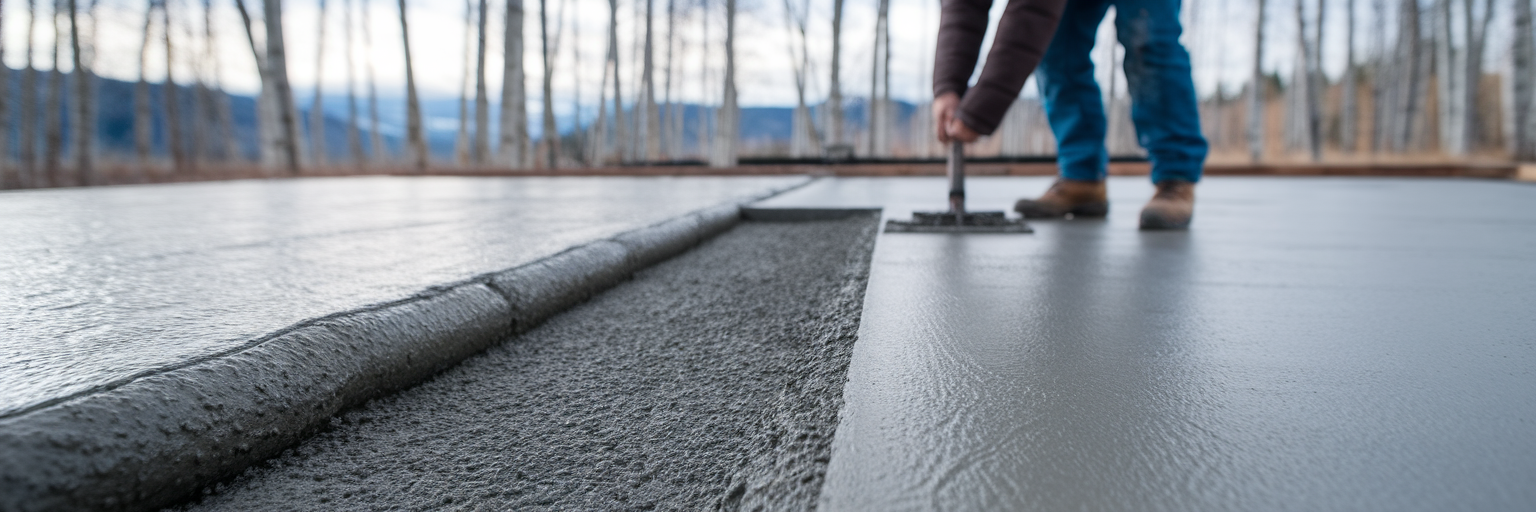
Building concrete that can survive our climate isn’t about using a generic bag mix. The solution lies in a carefully engineered recipe, or “mix design,” tailored specifically for durability. Creating weatherproof concrete Roundup MT involves a scientific approach to its composition, long before it’s ever poured. A key component is air-entrainment. Think of it as creating billions of microscopic, empty chambers inside the concrete. These act as tiny relief valves, giving freezing water a place to expand without cracking the surrounding paste. This principle is a cornerstone of the American Concrete Institute’s (ACI) Guide to Durable Concrete, which outlines best practices for creating long-lasting structures.
Beyond air-entrainment, we use chemical admixtures, which are smart ingredients that enhance performance. Accelerators, for instance, help the concrete gain strength faster in cold temperatures, a critical factor in Montana. Water-reducing admixtures create a denser, less porous surface that is far more resistant to moisture penetration. This dense structure is the first line of defense against the freeze-thaw cycle.
Finally, we add fiber reinforcement. Tiny synthetic or steel fibers are mixed throughout the concrete, creating a multi-directional web that holds everything together. This internal network acts as a built-in safety net, dramatically reducing the chances of shrinkage cracks as the concrete cures. These advanced principles apply to a wide range of applications, and you can learn more about the concrete services we offer that are built on this foundation of durability.
Professional Installation in Cold Conditions
A superior concrete mix is only half the equation. Without expert installation, even the best materials can fail. Here’s a fact that underscores the importance of process: if newly poured concrete freezes before it reaches a minimum strength of 500 psi, it can permanently lose up to 50% of its potential 28-day strength. This makes proper cold weather concrete installation a non-negotiable requirement for longevity.
Protecting fresh concrete from the cold isn’t guesswork. It involves specific, calculated measures based on the ambient temperature. These non-negotiable steps are outlined in industry standards like the American Concrete Institute’s (ACI) 306R-16, the definitive guide for cold-weather concreting. Following these protocols is essential for any project in Roundup, MT, ensuring the final product withstands the local climate.
| Ambient Air Temperature | Required Protective Measure | Purpose |
|---|---|---|
| 40°F to 32°F (4°C to 0°C) | Weather-Resistive Membrane | Protects from rain and wind, retains moisture and some heat. |
| 32°F to 20°F (0°C to -7°C) | Insulated Concrete Blankets | Provides thermal insulation to trap the heat of hydration and prevent freezing. |
| Below 20°F (-7°C) | Heated Enclosure | Creates a controlled, warm environment to ensure proper curing continues. |
Note: These temperature ranges and corresponding measures are based on guidelines from the American Concrete Institute (ACI) and local building standards to ensure concrete reaches sufficient strength before being exposed to freezing conditions.
While these protective measures add to the initial project cost, they are a critical investment. The expense of heated enclosures or insulated blankets is minor compared to the cost of tearing out and replacing a failed driveway or patio just a few years down the road.
The Importance of Sealing and Long-Term Care
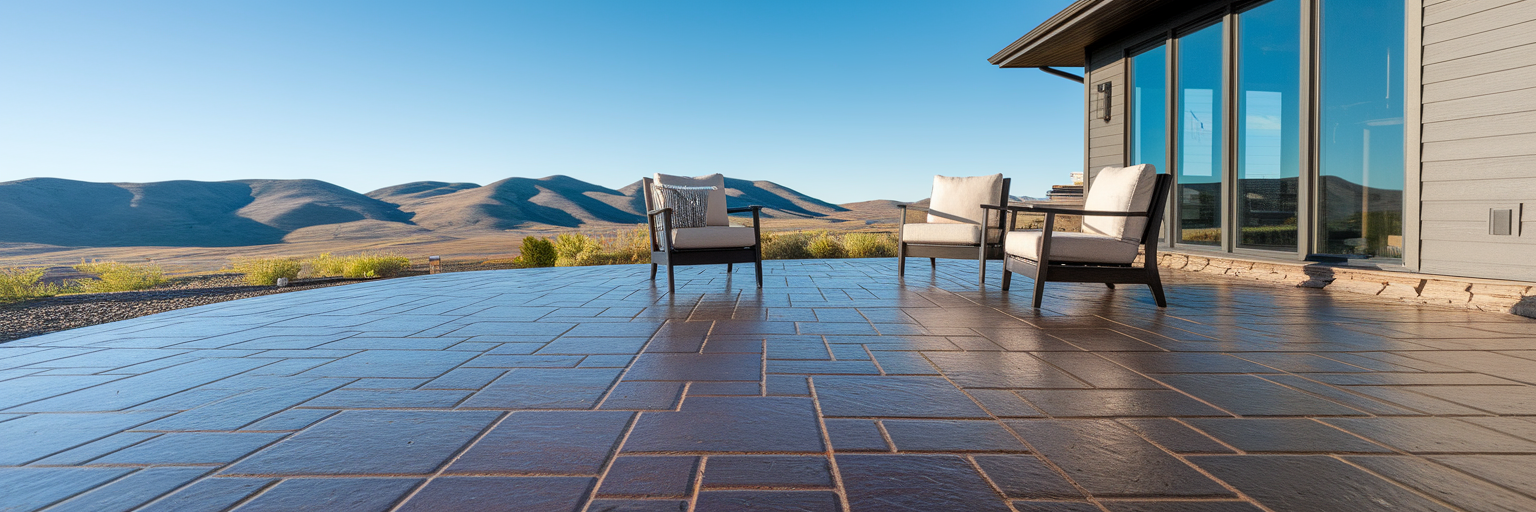
Once your concrete is properly mixed and expertly installed, the final step is to protect it for the long haul. Think of a high-quality penetrating sealer as a raincoat for your concrete. Unlike a surface coating that can peel, a penetrating sealer soaks into the concrete to form a protective shield from within. Its primary job is to block moisture absorption, which, as we’ve discussed, is the root cause of freeze-thaw damage.
The benefits don’t stop there. A good sealer also resists stains from oil, grease, and other chemicals, making cleanup easier. It also provides crucial protection against UV rays, which can degrade the surface and fade colors over time. For homeowners, a simple maintenance plan can extend the life of their investment significantly.
- Inspect Annually: Each spring, check your concrete for any new cracks, stains, or signs of wear. Pay close attention to areas that receive heavy traffic or water runoff.
- Clean Thoroughly: Before resealing, the surface must be completely clean and dry to ensure proper adhesion. A pressure washer is often the best tool for this job.
- Reapply as Needed: Most residential flatwork should be resealed every two to three years. High-traffic areas or surfaces exposed to harsh chemicals may require more frequent application.
This proactive approach is especially important for decorative surfaces. Proper stamped concrete patio maintenance ensures the intricate patterns and rich colors remain vibrant. A quality sealer will enrich the colors and patterns of stamped concrete, keeping it looking as good as the day it was installed.
Investing in Quality for Lasting Property Value
Let’s address the bottom line: a weatherproof concrete installation designed for Montana’s climate costs more upfront than a standard pour. However, viewing this through the lens of life-cycle cost reveals the true value. The one-time investment in a durable concrete driveway Montana built with the right mix design and professional cold-weather techniques prevents a cycle of costly repairs, patching, and the eventual headache of a full replacement.
Failed concrete is more than just an eyesore. A cracked, spalling driveway detracts from your home’s curb appeal and can even lower its perceived value. In contrast, a pristine, well-maintained driveway, walkway, or patio is a tangible asset that enhances your property’s appearance and signals quality to potential buyers. It’s one of the first things people see, and it sets the tone for the entire property.
For property owners in Roundup, choosing a contractor who understands and correctly applies cold-weather concreting standards is not an expense. It is a smart investment in the longevity, beauty, and value of your home or business. To ensure your project is built to last, it’s crucial to partner with an experienced team. Contact us to discuss your concrete needs and build something that endures.